Do You Ever Wonder Why Your Friend Always Has Light… But You Don’t?
There's a quiz section at the end of this article, so be sure to read to answer few questions and win exciting rewards.

We’ve all had that one friend.
You call them and they casually say, “Oh, we’ve had light since yesterday.” Meanwhile, you’ve been in total darkness for hours.
You even start asking yourself, “Why does it always seem like some areas have steady electricity while my area is constantly in darkness?”
If you’ve ever thought that, you’re not alone. The good news is, there’s actually a reason for it. It isn’t always luck, and it isn’t always because one area is being favored.
Let’s talk about it.
It Starts With Something Called a Feeder
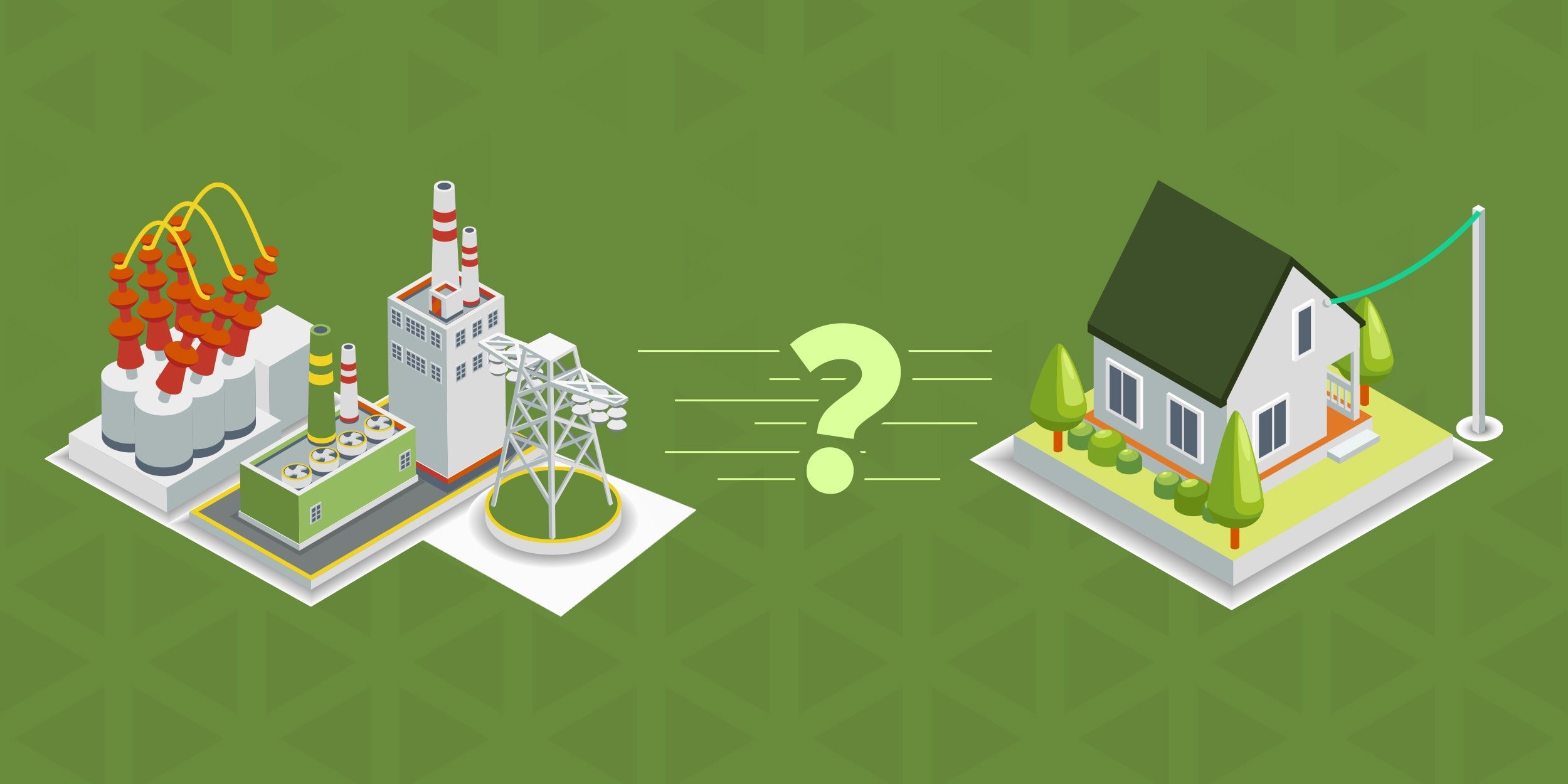
In electricity, a feeder is simply the line that carries power from the distribution network to different neighborhoods.
Think of it like roads. Not every road is in the same condition. Some are wide and smooth, while others have potholes and traffic. Feeders work in a similar way.
Some are newer, more stable, and have fewer faults. Others are older, overloaded, or develop technical issues more often. That’s why your street could be without power while the next street is lit. They’re simply connected to different feeders.
Then There’s Something Called Load Sharing
Now imagine this.
You have a pizza that’s supposed to feed ten people, but today twenty people show up. Everyone can’t eat at the same time. So you start sharing.
That’s a simple way to understand load sharing. Sometimes, there isn’t enough electricity available to supply every feeder at once. So electricity has to be shared across different areas.
One feeder gets power first. Another gets it later. That’s why many people already know their area’s “light schedule.”
“Ours usually comes around 7 p.m.” “We only get it overnight.”
If that sounds familiar, it’s probably because your feeder is part of a load-sharing schedule.
What About Band A, Band B and the Rest?
You’ve probably heard people say,
“They’re on Band A.” But what does that actually mean?
Tariff bands are categories that determine the expected number of hours of electricity supply customers should receive each day. Some bands are allocated more supply hours than others.
So when your friend says they have light almost all day and you’re wondering how that’s possible, the answer could simply be that you’re on different tariff bands.
Different band. Different expected supply hours. Different experience.
But Even Then, Things Can Still Change
Even if your feeder is stable and your tariff band promises more hours of electricity, unexpected things can still happen.
Equipment can develop faults. Heavy rain can damage power lines. Maintenance work might be scheduled. Demand for electricity can suddenly increase.
So while these systems help explain how electricity is distributed, they don’t guarantee uninterrupted power.
Now we’d love to hear from you.
How would you describe the power supply in your area?
Are you one of the lucky ones who barely notices outages?
Or are you still waiting for NEPA to “remember” your street?
Tell us in the comments. We’d love to hear your experience.
Ready to test your knowledge and win a reward? 🎁
Take a 2-minute quiz based on this article and earn points on PayS.