Why More Young Nigerians Are Moving to Solar (Even Renters)
Picture this. It’s a Tuesday. You finally got into your workflow, laptop open, ideas flowing, deadline in two hours. Then the light goes. Just like that.
There's a quiz section at the end of this article, so be sure to read to answer few questions and win exciting rewards.
Your laptop is at 34%. Your phone is at 8%. The generator fuel finished yesterday and you told yourself you’d buy more “later.” The Wi-Fi router is dead. And somewhere in your chest, a very familiar frustration is rising.
Sounds like last week? Yeah. We know. Something Is Quietly Changing
For a long time, solar felt like something only homeowners could do. Big rooftops. Permanent installations. Heavy investment. Not for someone renting a self-con in Yaba or a two-bedroom in Surulere.
But that’s not the conversation anymore.
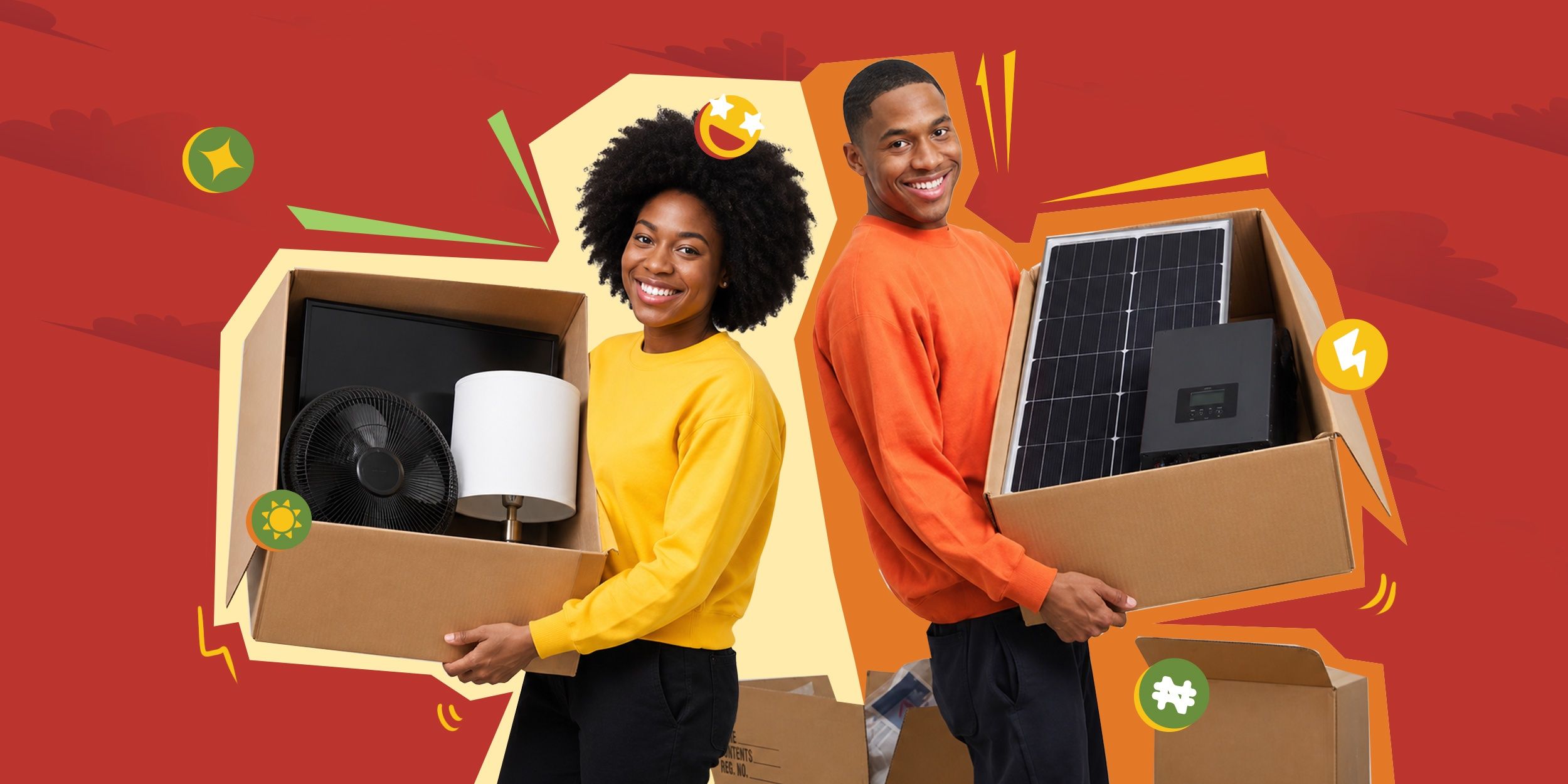
Portable solar systems, solar generators, balcony panels and plug-and-play kits have changed the game completely. You don’t need to own the building. You don’t need to call a contractor. You just need to decide you’re done letting the grid run your life.
And more young Nigerians, renters included, are making exactly that decision.
Let’s Talk Practicality
Your income depends on electricity. Remote work, tech jobs, content creation, digital businesses, online trading, all of it needs reliable power. When the grid is unstable, you lose time, money, and energy you can’t always get back.
Even a small solar setup changes that. Phones charged. Laptop running. Wi-Fi on. Fan moving. The essentials stay alive and so does your productivity.
Solar gives you something the grid simply cannot right now: predictability.
But Isn’t Solar Expensive?
At first glance, yes. But let’s actually do the math together.
Compare that upfront cost to what you’re currently spending on fuel every week, generator maintenance, spoiled food when the lights go out for too long, and the general mental tax of never knowing when power will come or go.
Over one to three years, a small solar setup often balances out, especially when you’re only powering essentials. You stop spending repeatedly and start investing once. That’s when it starts to make real sense.
There’s a Bigger Shift Happening Too
Young Nigerians are thinking differently now about sustainability, independence and control. Solar fits that energy perfectly. It’s quieter. Cleaner. More stable.
And for renters specifically? It moves with you. New apartment, new city, no problem. No sunk cost tied to a building you don’t own. That alone makes it worth considering.
This isn’t about abandoning the grid completely. It’s about not being completely vulnerable to it.
So here’s the real question: if your work depends on power, your income depends on power and your daily life depends on power, does it make sense to rely on just one source you can’t control?
More young Nigerians aren’t going solar because it’s trendy. They’re going solar because reliability has become a lifestyle requirement. And solar, even at a small scale, offers something genuinely priceless: control over your own energy.
Are you a renter who’s already made the switch or considering it? Tell us your experience.
Ready to test your knowledge and win a reward? 🎁
Take a 2-minute quiz based on this article and earn points on PayS.